Compressed air system design – how industry can save energy and costs
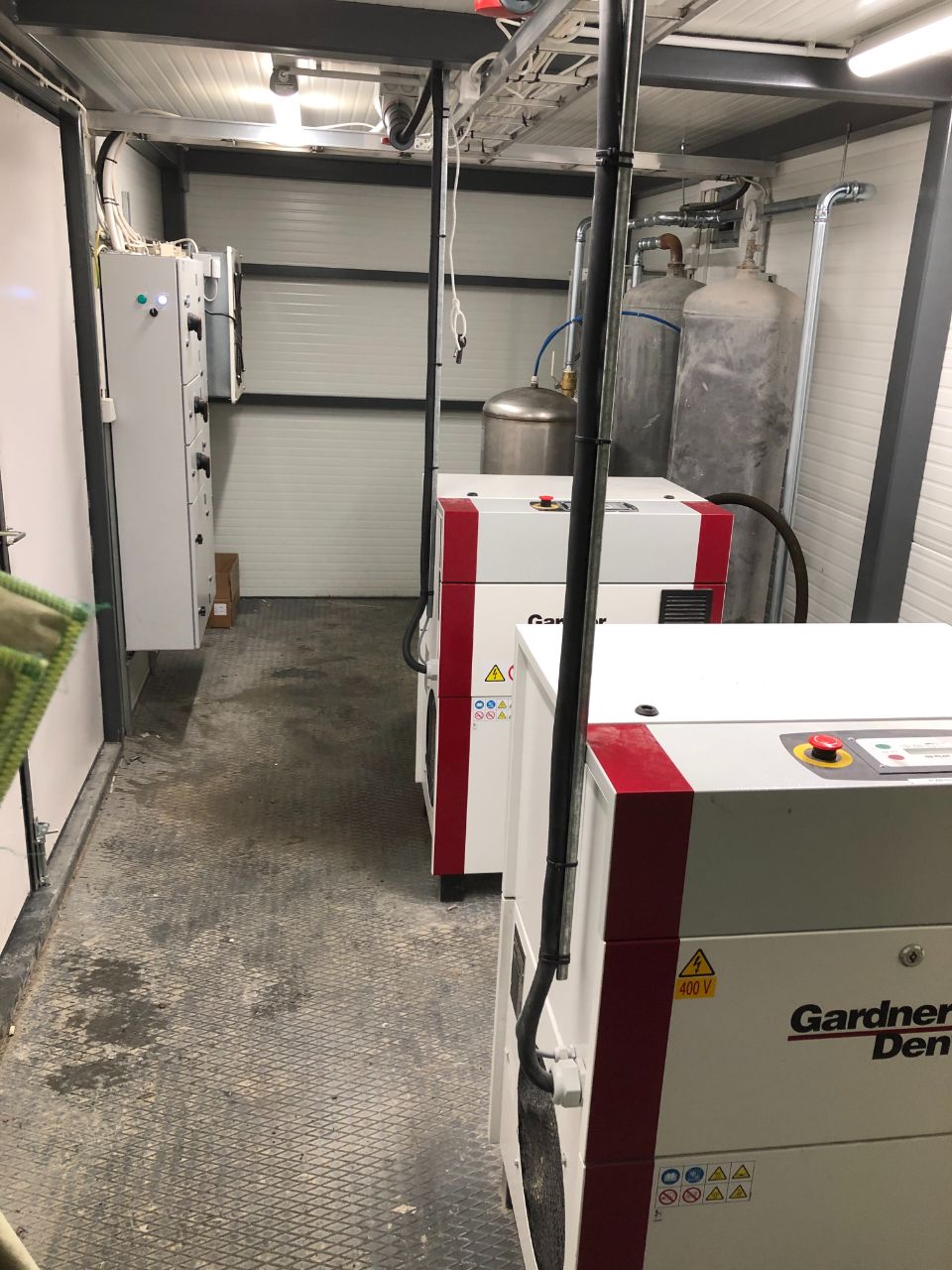 Industrial compressed air system, i.e. oil-lubricated screw compressor station with refrigeration drying
Compressed air system design – expert summary
Compressed air system design means dimensioning and optimizing the air volume, pressure and quality of compressors, after-treatment (filtration and drying), compressed air piping and compressed air applications so that compressed air is produced as energy-efficiently and reliably as possible.
How much electricity does compressed air consume?
In industry, compressed air systems can use up to:
- Typically 10–15 % of the facility's electricity, varies by industry.
- A properly designed system can reduce energy consumption by up to 20–40 %.
- According to a study conducted by SmartAir, the engineering and metalworking industry uses an average of 11 % of all electricity to produce and process compressed air.
What does compressed air system design mean?
Compressed air system design is a process that determines the sizing of compressors, the design of compressed air piping, drying and filtration solutions, and the measurement and verification of compressed air quality. In today's era (2026), this also means collecting data on key parameters and 24/7 monitoring with automatic alarms.
The aim is to ensure:
- Production reliability
- Minimal energy consumption
- High quality compressed air
- Long hardware life
- Data-driven system usage
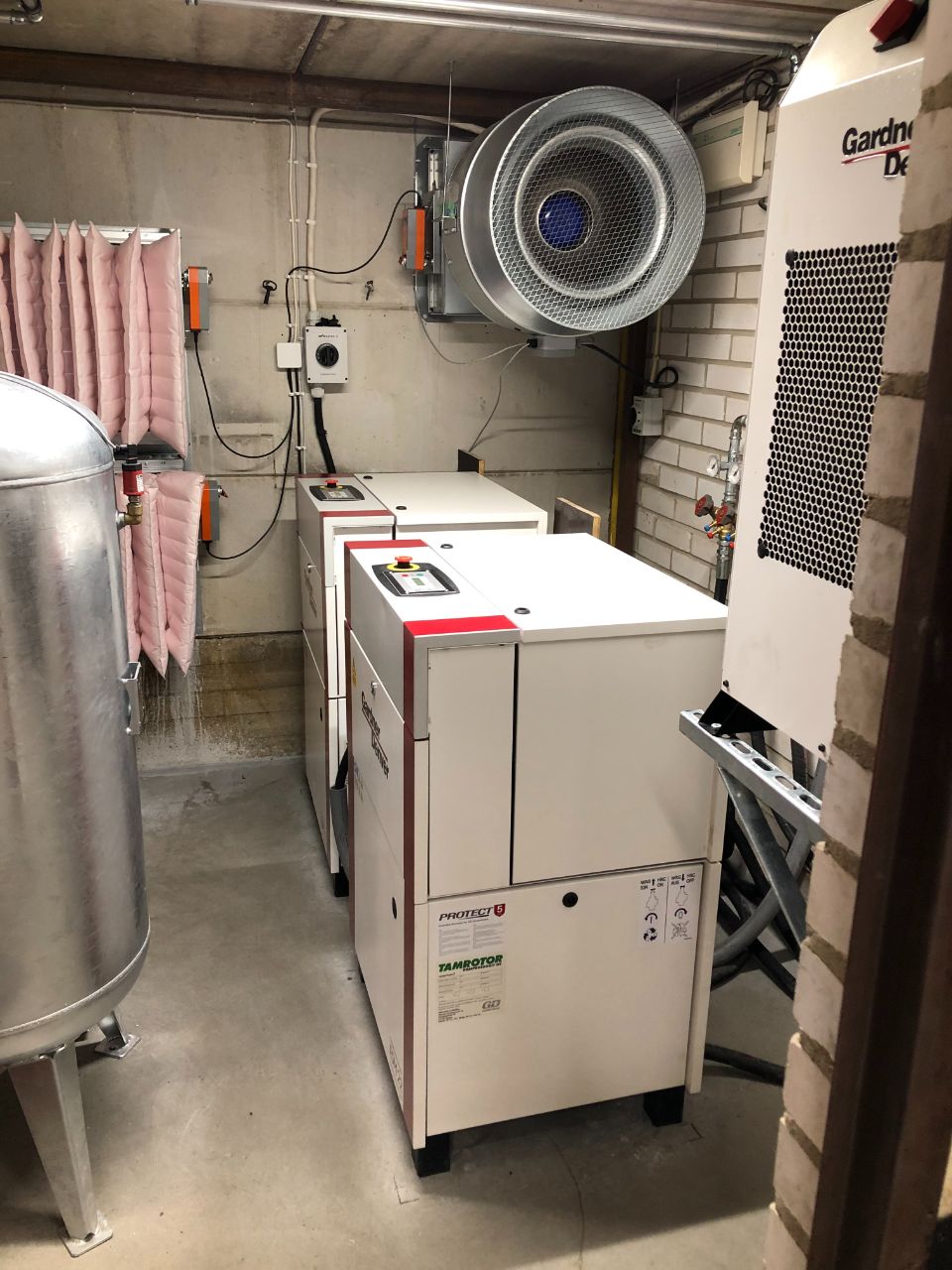 Compressed air system in the compressor room (compressor, filtration, drying and piping)
Energy consumption of compressed air systems – key facts
- Compressed air systems can use up to 10–15 % of the electricity in an industrial facility.
- Up to 80% of the electricity used by the compressor is converted into heat.
- Leaks in compressed air systems can cause up to 20–30 % of energy loss.
- An energy-efficient compressed air system can reduce energy consumption by up to 20–40 %.
Energy consumption of compressed air systems in industry
Compressed air systems are one of the largest hidden energy consumers in industry. The problem is that the system often has significant losses: due to leaks, excessive pressure and suboptimal use, up to 20–30 % of compressed air produced can be wasted. Read more: Compressed air IoT.
Why is energy efficiency in a compressed air system important?
Compressed air production is one of the most energy-intensive processes in industry. A poorly designed system can cause high energy costs, pressure losses, production disruptions and quality problems.
Energy standards and ISO 50001
Modern industry is committed to reducing energy use. In practical terms, this means joining energy efficiency agreements or standards such as ISO 50001 energy management system.
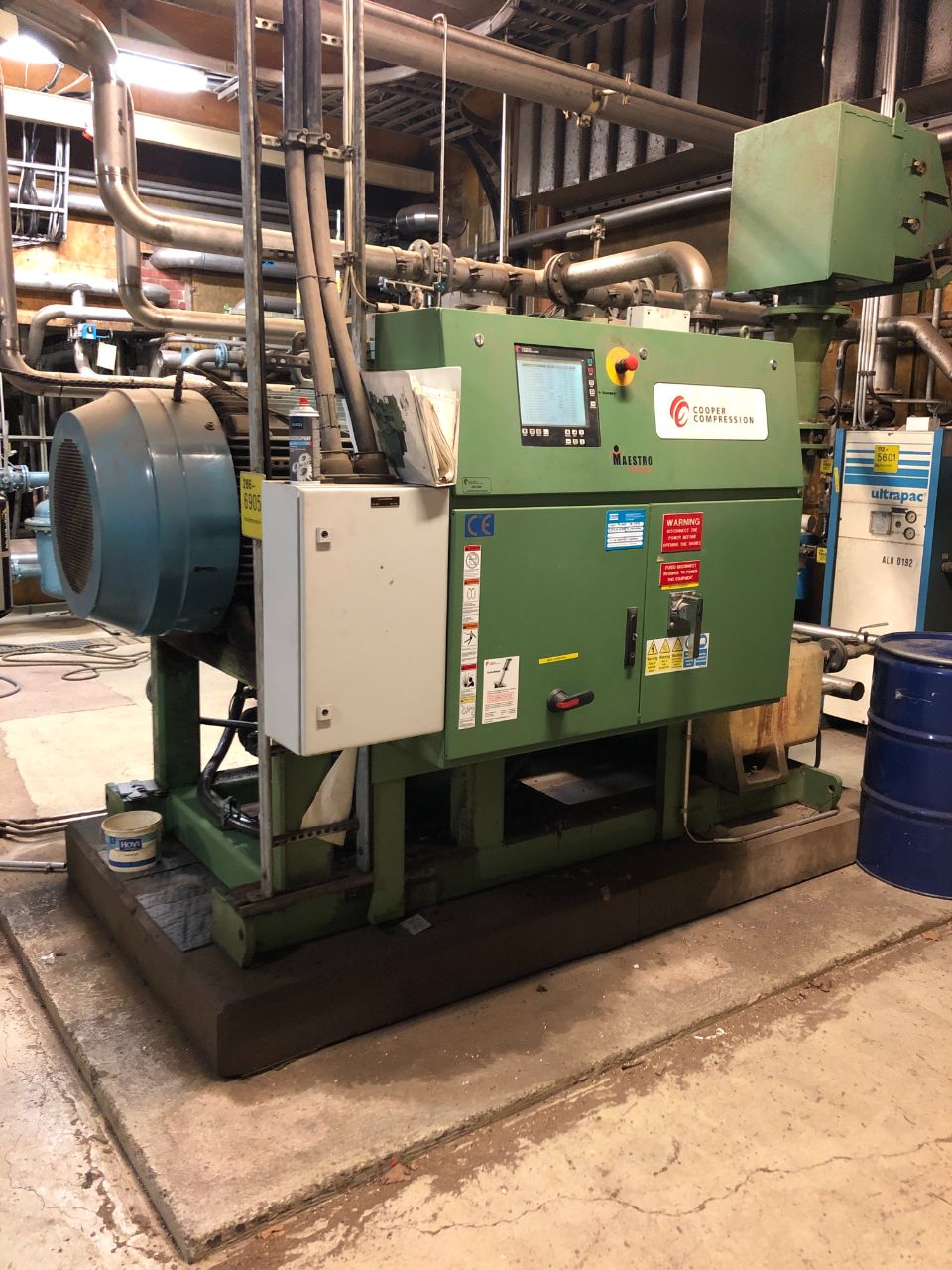 Oil-free centrifugal compressor with a rated power of 250 kW
Energy-efficient compressed air – where does the saving come from?
Compressor sizing
Correct sizing ensures that the system produces compressed air exactly as needed without unnecessary energy consumption.
Compressed air piping design
The diameter, length and structure of the pipeline affect pressure losses. A pressure loss of one bar (1 bar) causes 7 % of energy loss under the prevailing load situation.
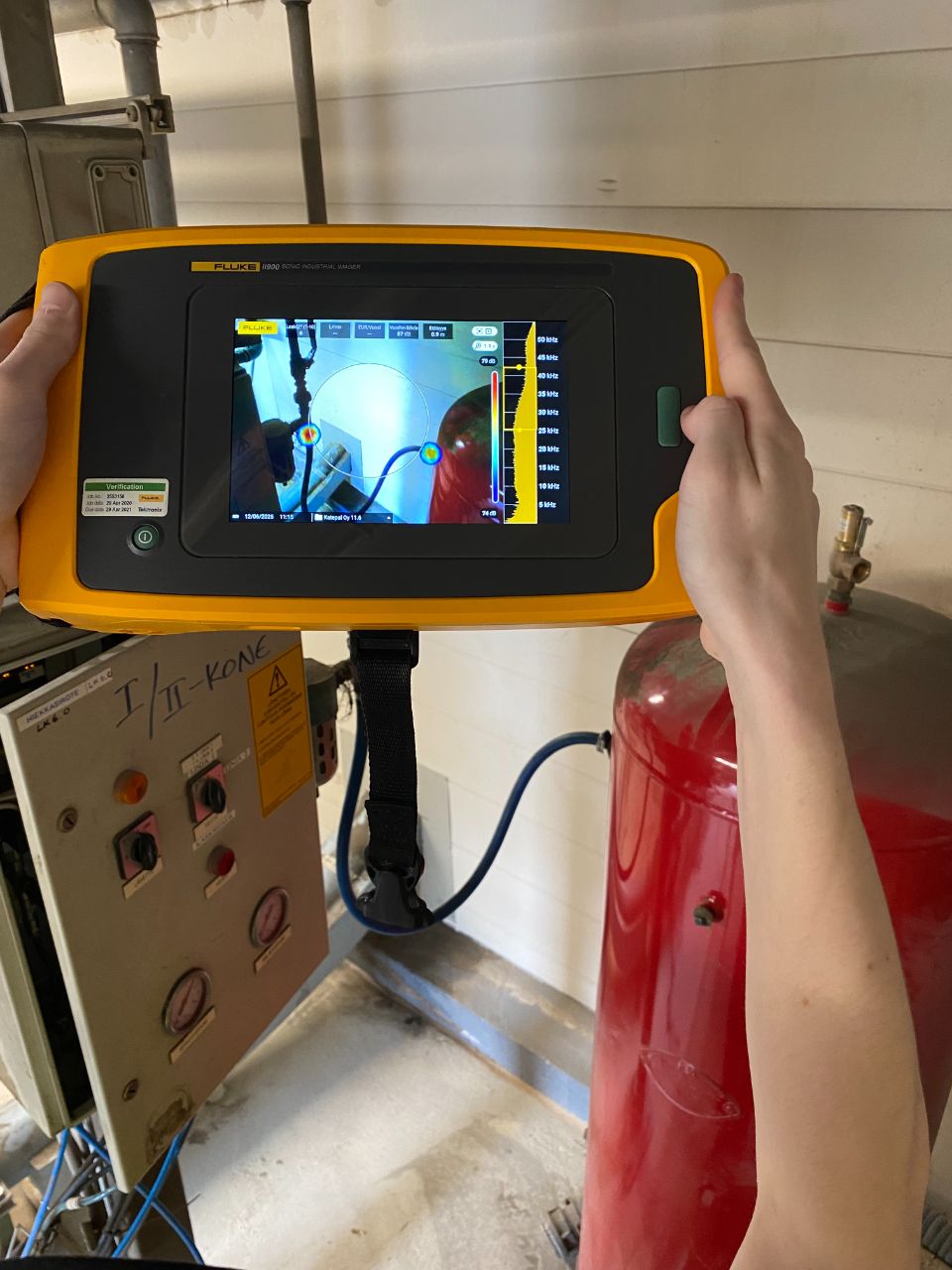 The invisible compressed air leak in the picture causes 5788 kWh of energy loss per year
Compressor heat recovery
Up to 80% of the electricity used by the % compressor is converted into heat. This can be used for building heating, process heating or ventilation preheating.
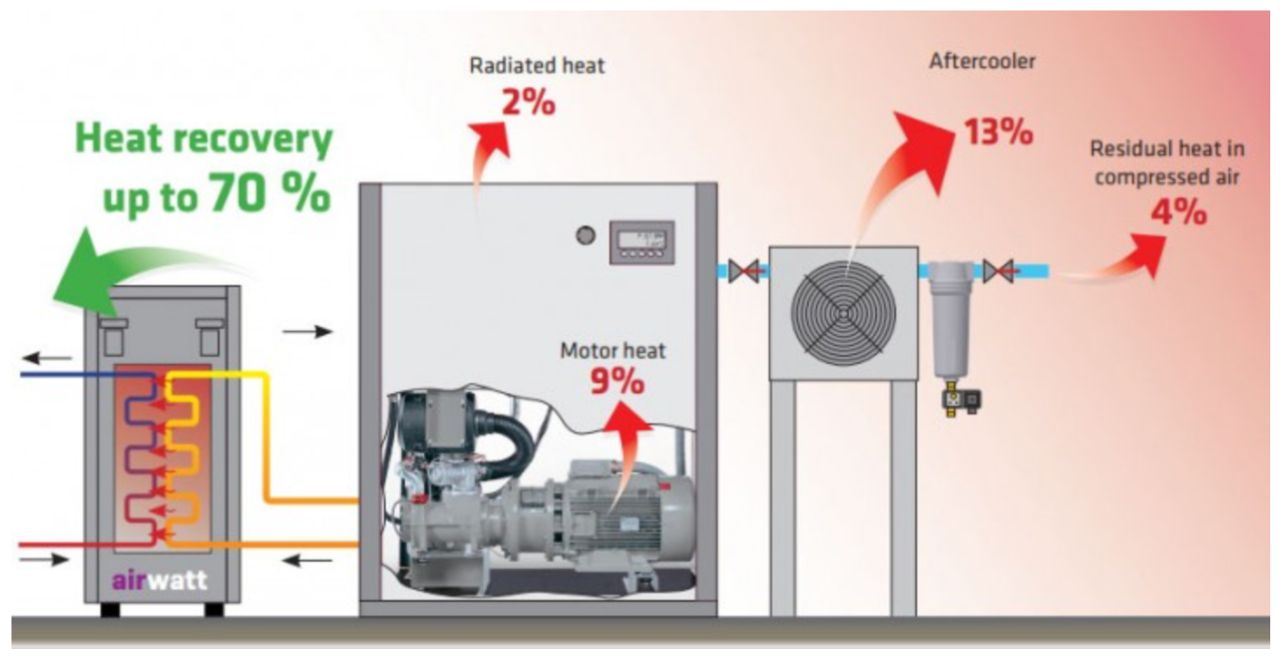 Compressor heat recovery
Example calculation of compressed air system energy consumption
Suppose: Compressor 90 kW, operation 24/7, electricity price 0.10 €/kWh.
- Annual energy consumption: 90 kW × 8760 h = 788,400 kWh
- Annual cost: 788,400 kWh × €0.10 = €78,840
- If energy efficiency is improved by 25 %, the savings are €19,710 per year.
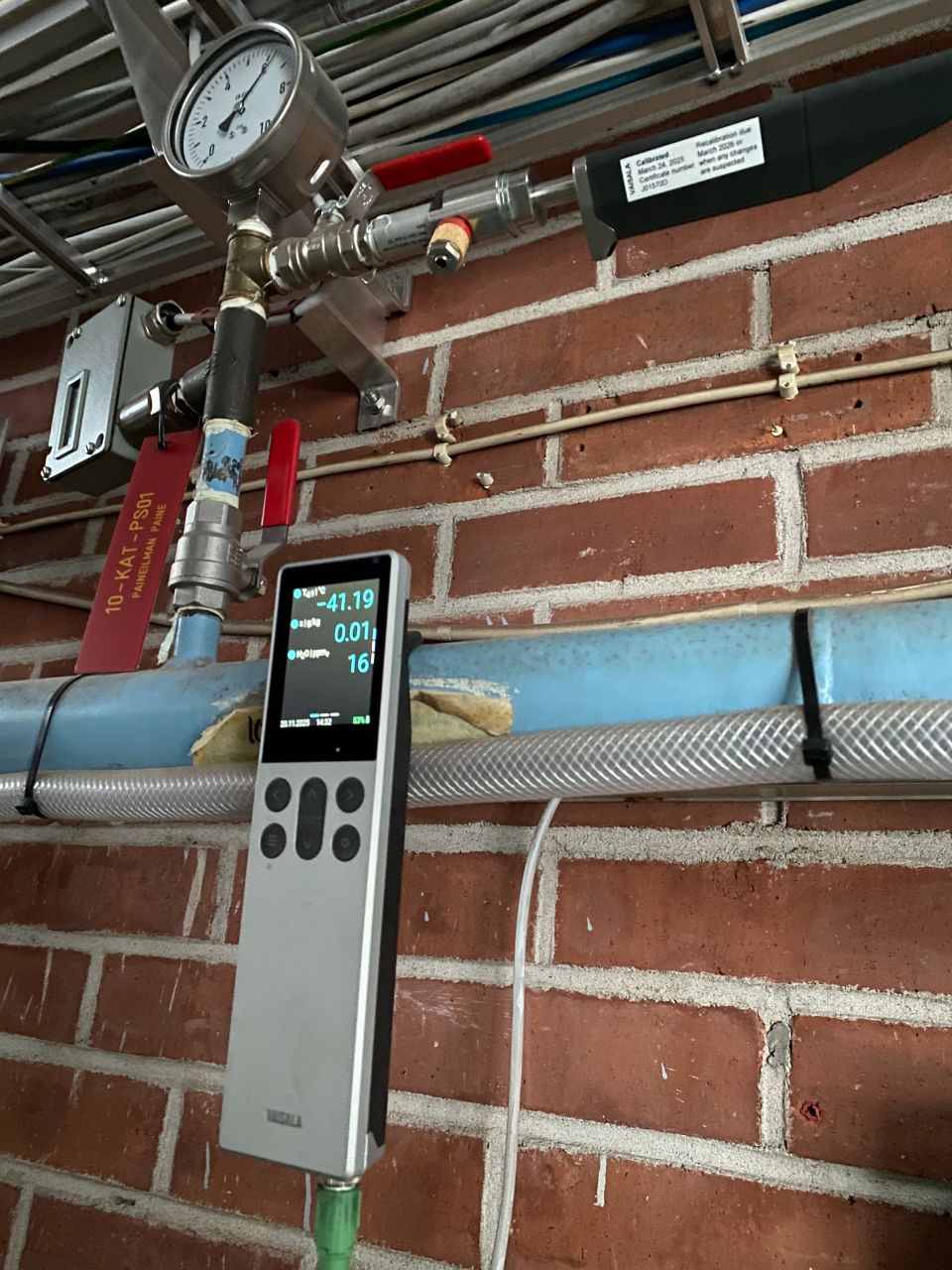 Compressed air dew point measurement and sensors
SmartAir compressed air system design experts

Taito Mattila
Chief Designer

Jukka Mattila
Mechanical and piping design

Sami Uusi-Erkkilä
System sizing & IoT
How to optimize a compressed air system in industry
Optimization typically involves:
- Defining the parameters to be monitored
- Designation of a responsible person
- Energy and compressed air consumption data collection
- 24/7 system monitoring
- Regular situation analysis and measures
Case: Compressed air station in a container – Juha Tuomainen Oy
Juha Tuomainen Oy faced the challenge of uncertain compressed air availability and high energy consumption. The solution was a modern compressed air station built into a shipping container.
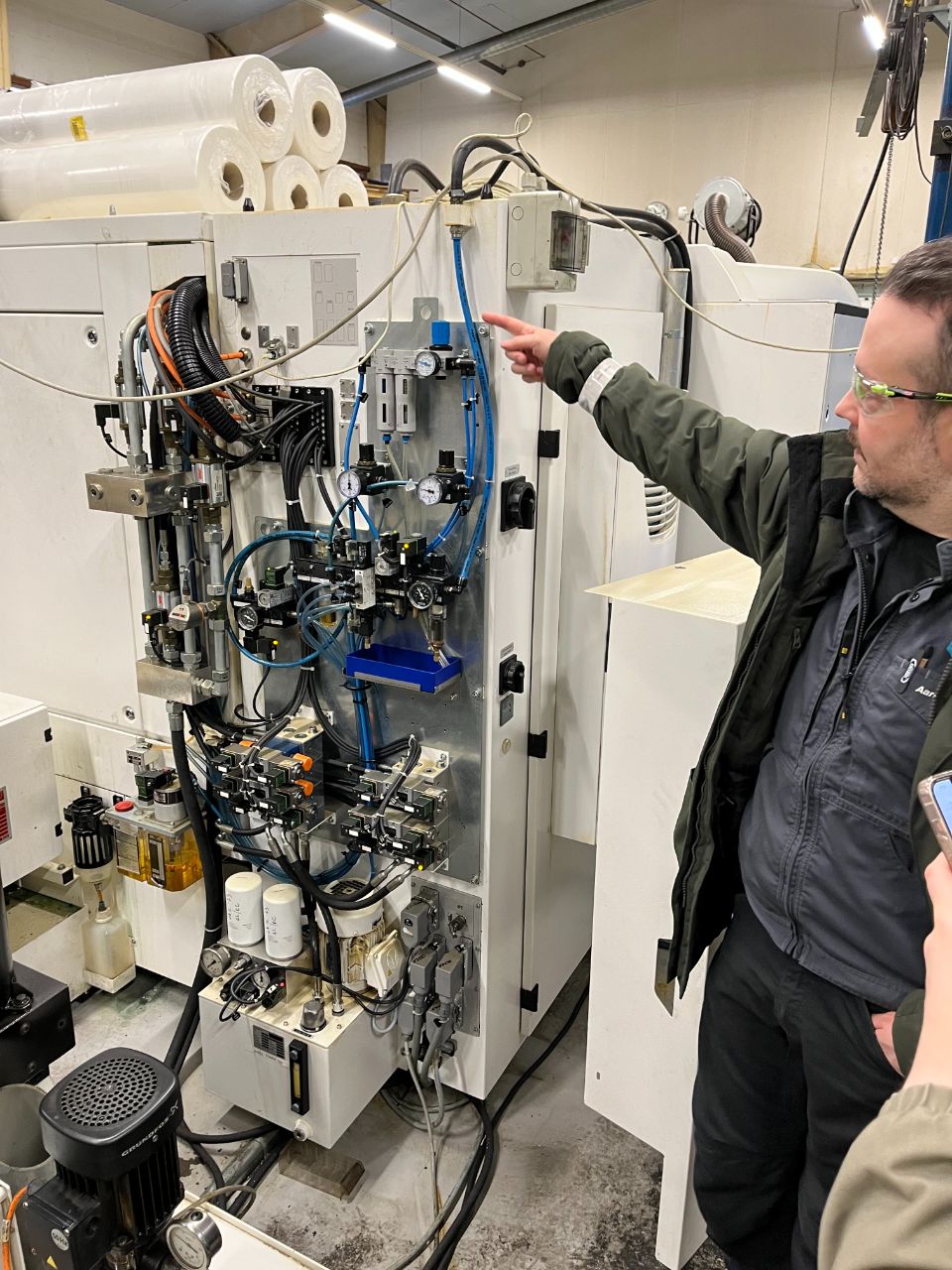
Results: approximately 40,000 kWh energy savings per year
Energy consumption was significantly reduced:
- Old solution: approximately 17.4 kWh
- New solution: about 8 kWh
- This corresponds to approximately 40,000 kWh of energy savings per year.
Other benefits: Better production reliability, a cleaner solution, better working conditions and stable pressure.
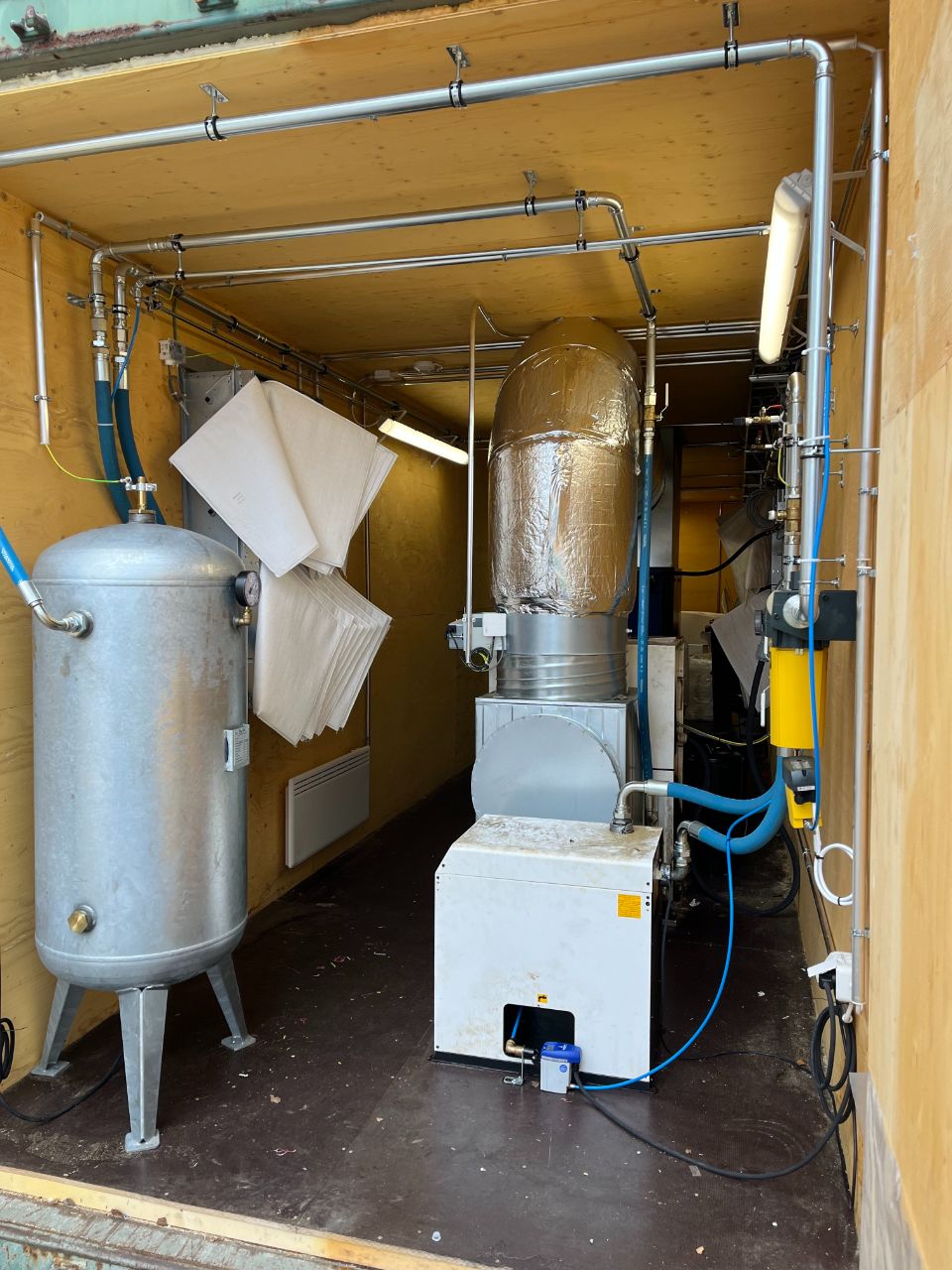
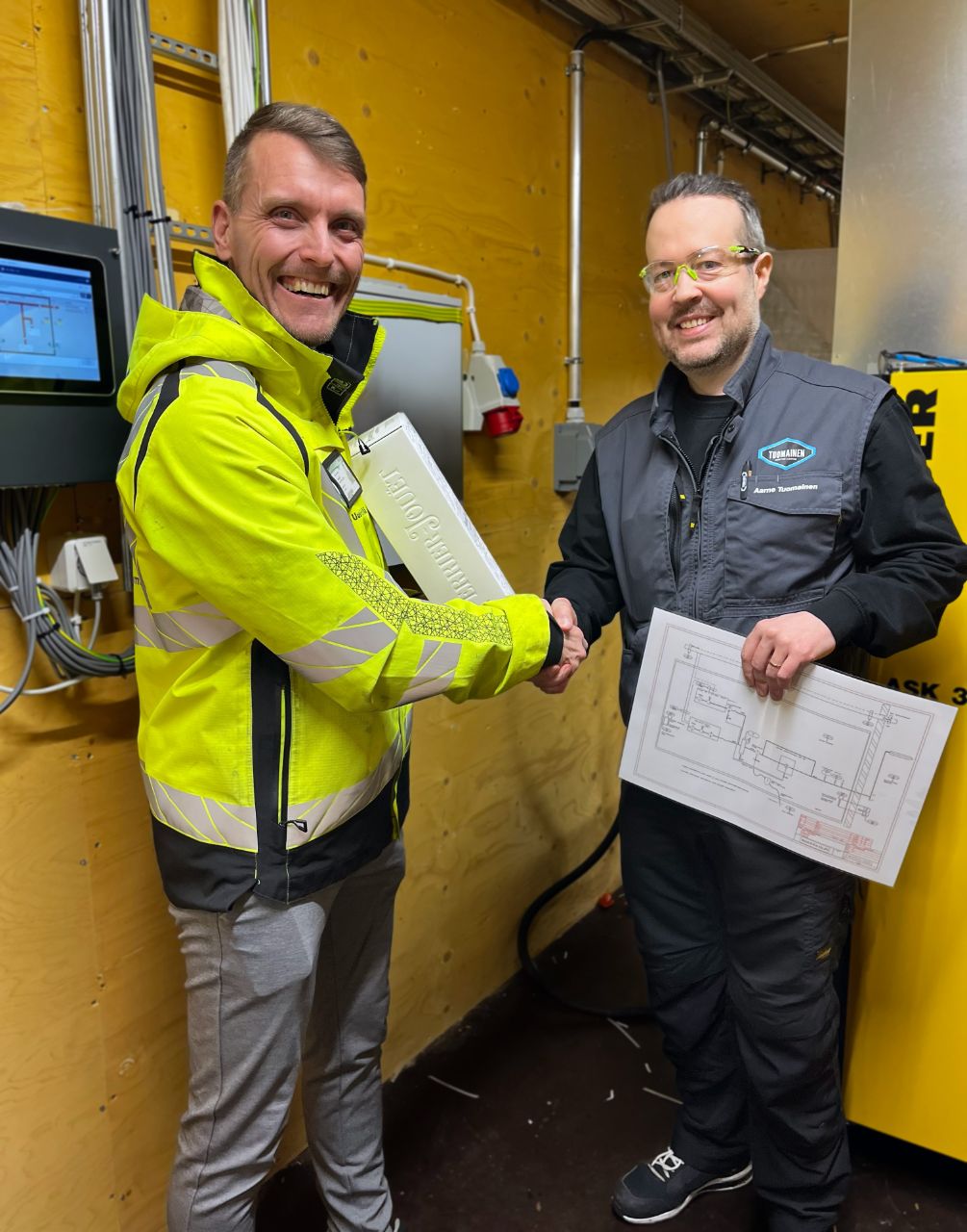 “The collaboration went well and we are satisfied with the end result.” – Aarne Tuomainen
Frequently Asked Questions about Compressed Air Systems (FAQ)