
SMARTAIR
Compressed air measurement
Compressed air measurement
Compressed air consumption is an invisible cost – SmartAir turns it into visible savings
We measure compressed air usage and display it in euros – even the next day.
Compressed air consumption, quality and costs become visible with PVS SmartAir – data available in just 15 minutes.
Measuring compressed air – what does it reveal?
Compressed air measurement makes consumption, quality and costs visible without interrupting production. Measurement can be used to:
- identifies the actual compressed air consumption (m³/min)
- detect compressed air leaks and energy losses
- estimate the costs of compressed air production in euros
- ensures compressed air quality (dew point)
- optimize compressor sizing and control
👉 Measurement data is available in as little as 15 minutes, allowing you to quickly identify significant savings potential.
Do you see the true cost of compressed air on your roads?
Is compressed air being wasted without being noticed?
Do you know where compressed air is used – and when?
Is there always enough compressed air for production needs?
Does the quality of the compressed air meet the requirements in all situations?
In most industrial plants, the actual consumption and cost of compressed air is not known with precision. The size and number of compressors may be known, but the exact use of compressed air and the resulting costs are not identified. As a result, energy waste is constantly occurring without being able to intervene because the ”tools” do not exist.
Can you imagine a property without water consumption measurement and identification? A regularly sent water bill is a good reminder of water consumption and any changes in it.
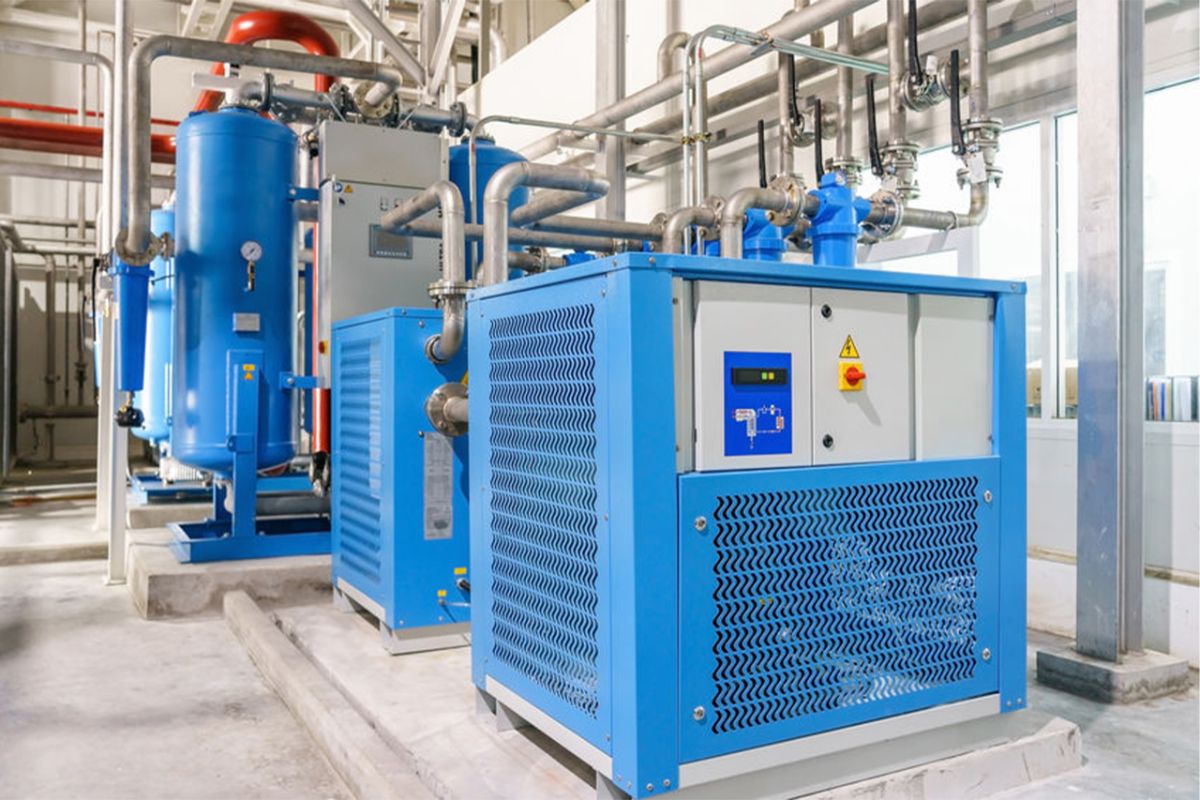
This is how we turn compressed air consumption into savings
SmartAir single measurement makes compressed air usage visible and turns it into measurable savings. By measuring compressed air consumption, we identify where and when compressed air is used – and where energy is wasted.
What can be found out by measurement?
- actual compressed air consumption (m³/min)
- consumption fluctuations in different usage situations (min.-max.) and average
- sufficiency of compressed air in production
- pressure and quality (dew point) level
- deviations and compressed air leaks (dependent on production)
What does this mean in practice?
- identify hidden energy losses and inefficiencies
- provides visibility into compressed air usage
- measures can be targeted correctly
- Oversizing and unnecessary energy consumption are avoided
End result: measurable savings
The typical savings potential is around €5,000 per year, and in many cases significantly more. The amount of savings always depends on the project, and in some cases the system may already be well optimized.
👉 However, most compressed air systems can be improved when usage is measured and analyzed.
Fast deployment and immediate visibility
PVS SmartAir measurement can be implemented even the next day. While the measurement is in progress:
- data is obtained almost immediately
- compressed air usage is displayed in real time
- measurements can be monitored from any number of different devices
👉 We turn measurement data into concrete actions and measurable savings.
Real-time monitoring and alerts
- Continuous visibility into compressed air usage and quality
- automatic alerts for deviations
- quick response before problems affect production
👉 This ensures the availability and quality of compressed air in all situations.
Case: Compressed air consumption made visible before investment – in a large industrial factory area
Industry: electrical equipment manufacturing (global listed company)
Location: One production unit, Vaasa
Starting point
Compressed air was produced with large compressors without accurate information about actual demand and consumption. Compressed air was produced at several compressor stations, and there was no certainty about the operation of compressed air drying, as dryers were located in several locations.
👉 It was known that a lot of compressed air was consumed - but it was not known why and where.
Intermittent malfunctions were also suspected in the operation of compressed air dryers, but there was no fact or data about this.
What the measurement revealed about one production building
- continuous consumption: 4 m³/min
- peak consumption: 8 m³/min
- Leakage rate: 2 m³/min, up to 3 m³/min
(Note: the amount of leakage depends on production cycles)
Energy impact
- calculated total consumption: 350,000 kWh/year
- Leakage rate: up to 210,000 kWh/year
Note: the cost of leaks is higher because during non-production periods the efficiency of compressors is lower and the costs of producing compressed air are higher.
Savings potential
- up to 100,000 kWh/year with the right equipment investment
- equivalent to €10,000 per year
- with leak repair: €14,000 – €21,000 per year if all leaks could be repaired
Result
- correct sizing of compressors
- cost awareness
- significant energy savings
- properly targeted actions
- estimated investment payback of approximately 18 months, which takes into account the SmartAir equipment investment (measurements, analysis, solution model, preliminary design, tender documents)
- cost savings both in terms of energy and equipment selection
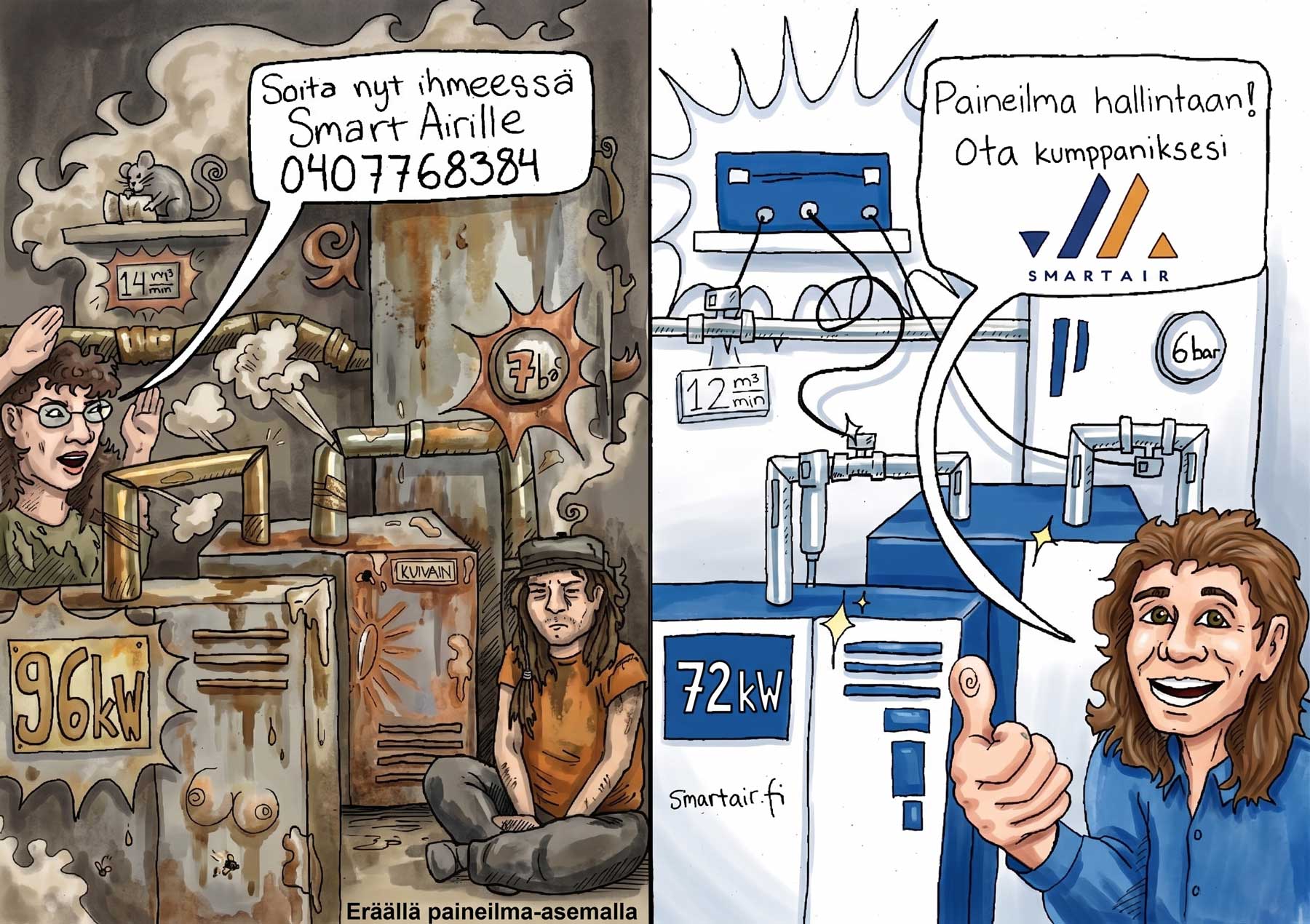
Case: Correct sizing by measuring
Industry: electrical equipment manufacturing (global listed company)
Location: second production unit, Vaasa
Savings: 57,000 kWh/year, or approximately €5,700 per year.
👉 The actual need was significantly lower than expected and how much compressed air was available.
Starting point
There was no accurate information on the actual compressed air consumption at the site, and the system sizing was based on estimates.
What the measurement revealed
The measurement showed that the actual compressed air consumption was 👉 only 1.4 m³/min. Furthermore, the flow profile showed that almost all use occurred at this level.
Solution
Based on the measurement, the target was selected 👉 22 kW oil-lubricated screw compressor with frequency converter, which corresponds to actual use and enables energy-efficient production.
Savings potential
- energy savings: 57,000 kWh per year
- cost savings: approximately €5,700 per year
Realization
The actual compressed air demand was significantly lower than expected. When consumption was measured, the system could be sized correctly and energy consumption was significantly reduced. Similar results have been achieved in several production sites where actual compressed air consumption has been significantly lower than expected.
What the measurements show in practice
Almost all industrial sites have potential for savings when compressed air usage is measured and analyzed. Compressed air measurements in various industrial sites show that actual consumption and system needs often differ significantly from assumptions. However, each site is unique.
Typical savings potential
- in the example €5,000 per year
- often significantly more
- Depending on the items, the savings potential may also be lower
High savings potential especially: in 24/7 production, with high quality requirements, in oversized systems.
👉 The more compressed air is used, the greater the savings potential.
Example: compressed air quality and drying
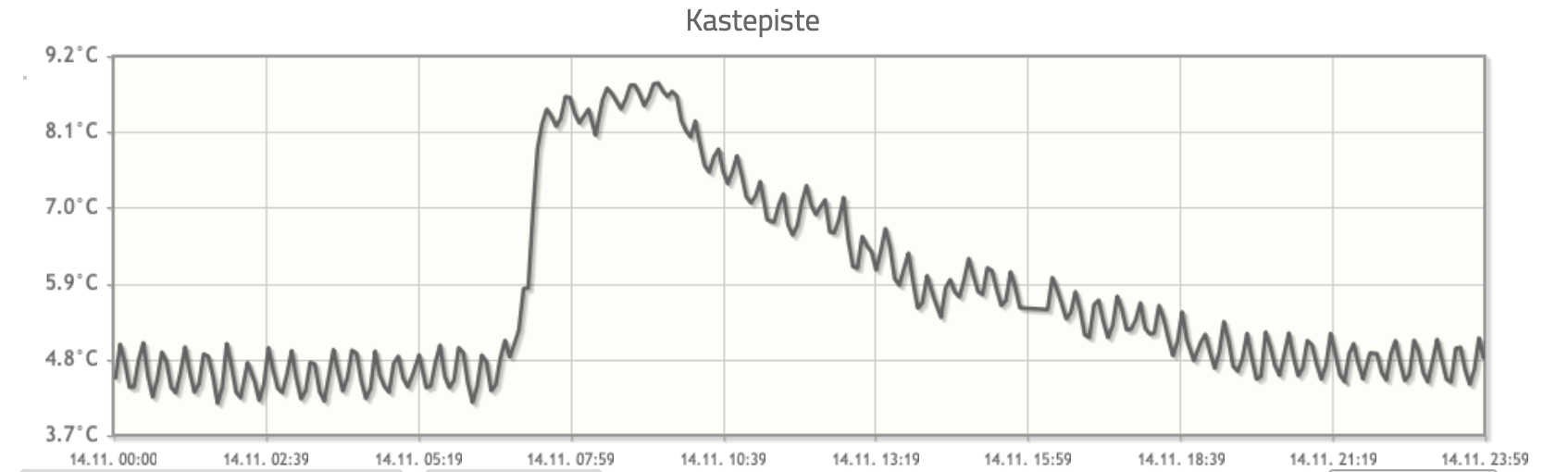
At one production site, measurements revealed that compressed air drying was not working optimally during production.
Based on measurement data:
- dew point varied significantly during production
- the drying system was loaded unevenly
- the quality of the compressed air was not consistent in all situations
👉 This was especially visible during peak production loads.
Solution
The measurement data was used to correctly dimension the new drying system, ensure the quality of the compressed air in all operating situations, and improve the system's operational reliability.
Realization
Compressed air quality and availability are often as critical as energy efficiency.
👉 Measurements can ensure that the system works correctly under all conditions - not just in theory.
Typical savings targets
In most cases, savings potential can be found in one or more situations:
- operating pressure too high
- incorrectly sized compressor
- the need for compressed air in production has either decreased or increased
- compressed air leaks
- consumption fluctuations are large, and the compressors/control system do not meet the needs
- inadequate heat recovery
- compressor room design problems
- no real-time measurements (flow, pressure, dew point)
- Insufficient education and ”deep” knowledge
Why choose SmartAir?
Experience with over 1000 compressed air systems throughout my career. We quickly identify where waste occurs and where the greatest savings potential lies. SmartAir is not an equipment manufacturer, but an impartial compressed air expert. We always design solutions according to the customer's needs - not according to the equipment.
Impartial and on the customer's side
- solutions are not tied to a specific device manufacturer
- suitable for all compressed air systems
- operate regardless of the compressor type (screw or centrifugal, oil-lubricated or oil-free)
👉 You always get the best solution technically and economically.
Experience across industries
We have extensive experience in various industries and compressed air systems.
👉 We quickly identify where waste occurs and where the greatest savings potential lies.
Discover the savings potential of compressed air
Compressed air consumption is often a significant but invisible cost.
👉 Let's find out together how much savings potential there is in your destination.
Request a free estimate
You will receive from us free estimate of savings potential via remote meeting. The estimate is based on:
- for your compressed air system
- to the actual current situation
- your needs and requirements
- experience from over 1000 compressed air systems
What you get
- an estimate of the energy saving potential
- a view on the current state of compressed air use
- concrete recommendations for further action
👉 We will also tell you honestly if there is no significant savings potential.
Quick start
We can assess the savings potential based on a short remote meeting.
👉 The first step only takes a moment – but can reveal significant savings.
Frequently asked questions about compressed air measurement
How much can you save by measuring compressed air?
The typical savings potential is at least €5,000 per year, but depending on the item, the savings can be significantly greater.
Especially in locations where compressed air is used continuously (24/7), savings can amount to tens of thousands of euros per year.
Where does the potential for savings in compressed air usually come from?
Savings potential often arises from several factors, such as:
- too high operating pressure
- compressed air leaks
- incorrectly sized compressors
- from inadequate guidance
👉 By measuring compressed air usage, you can identify where waste occurs and what needs to be addressed.
How quickly can compressed air measurement be performed?
PVS SmartAir measurement can be implemented up to following day. Once the hardware is connected, data is available almost immediately.
Is it necessary to stop production for the measurement?
Not required. The measurement is performed during normal production and does not disrupt production.
What is measured in compressed air measurement?
The measurement monitors, among other things:
- compressed air flow and quantity
- pressure
- dew point (compressed air quality)
- consumption profile in different usage situations
👉 These help you get an overall picture of compressed air usage and costs.
How does measurement help with investment decisions?
The measurement produces accurate data on the actual need for compressed air.
👉 This allows you to:
- dimension compressors correctly
- avoid oversizing
- make investment decisions based on facts
Can measurements be used to ensure the availability and quality of compressed air?
Yes. Measurement and real-time monitoring enable:
- compressed air quality (dew point) monitoring
- ensuring sufficient pressure
- timely detection of deviations
👉 Automatic alerts ensure that problems can be responded to before they affect production.
What if there is no savings potential?
We'll be honest. Not all sites have significant savings potential, but most sites have room for improvement when compressed air usage is measured and analyzed.
Who is compressed air measurement suitable for?
Compressed air measurement is suitable for all industrial companies where compressed air is a critical part of production.
👉 It is particularly useful in areas where:
- compressed air is used a lot
- production operates 24/7
- compressed air quality requirements are high
How quickly can savings be achieved?
Savings potential can be identified as soon as the measurement begins.
👉 After the measures are taken, savings often begin to appear quickly, and the payback period is typically 6–12 months.
What should the customer do before the measurement?
The customer can prepare a suitable measuring unit for the measurement in the compressed air system (typically a 1/2” stopcock), which is placed after the compressed air station before the network.
SmartAir's design team assists in planning the location and implementation of the measurement unit, so any necessary changes can be ordered and implemented locally.
Can I purchase the entire service from you, including installation?
Yes. We can map the locations of the measurement connections and determine the correct installation distances in the pipeline. The measurement connections can then be implemented locally according to our instructions.
Can the measuring connections be installed in a pressurized pipe?
Yes. Our partners can also install measurement connections in pressurized pipelines, so production does not have to be interrupted.
Do you want to know how much money your system is leaking?
Order a one-time measurement of compressed air. Measurement data is available in up to 15 minutes, and it is done without interrupting production.