
Safe use of compressed air systems in industry
SmartAir Expert Guide | Updated 23.7.2026
Did you know what the safe use of compressed air systems requires? Important actions include depressurization, energy isolation (LOTO), correct work methods and the use of personal protective equipment. The SmartAir guide reviews the most important safety actions before starting work, during work and after work.
LOTO stands for Lockout and Tagout, a safety procedure where machines are locked out and tagged out for maintenance or repair. The acronym comes from the words ”Lockout” and ”Tagout.” The 3 main steps are power off, lockout, and tagout.
Compressed air is an efficient form of energy, but if used incorrectly it can cause serious accidents. All installation, maintenance and repair work on a compressed air system must be carried out as planned and in accordance with safe working methods.
Before starting work
- Make sure that the work permit and necessary safety locks (LOTO) are valid.
- Isolate the work area, close the compressed air supply valve and ensure that the piping or equipment is completely depressurized before opening the connections.
- The pressure gauge may be defective or missing altogether.
- Make sure that the system cannot be pressurized again during work.
 Figure 2. Incorrectly displayed pressure gauge in a compressed air system.
Working safely with compressed air systems
- Always use the personal protective equipment specified for the job (at least safety glasses, safety shoes and, if necessary, hearing protection).
- Removing pressure from the system may cause unexpected mechanical movement.
- Never direct compressed air at yourself or another person. Compressed air should not be used to clean skin, clothing or the body.
- Only use hoses, fittings and components approved for compressed air. Damaged hoses or fittings must be removed from service immediately.
- Ensure that the hoses are securely fastened so that they cannot come loose or whip when pressurized.
 Figure 3. A badly damaged compressed air connection poses a serious safety risk.
After work is finished
- Check all connections for leaks (e.g. using leak spray) and ensure that covers and safety devices have been replaced.
- Pressurize the system in a controlled manner and monitor for any leaks or unusual noises.
- Report any detected compressed air leaks, damage or safety deficiencies immediately to the person who commissioned the work or the contact person.
 Figure 4. Energy loss from compressed air leakage at a sawmill exceeds 5,000 kWh/a.
Remember: Safe use of a compressed air system is always based on depressurization, energy separation, correct work methods and active hazard assessment.
Summary
Safe working is a series of correct actions before starting work, during work and after it. Adequate preparation for possible deviations. An important part is also to eliminate the possibility of human error and inexperience with compressed air. When performed correctly, these actions also ensure the safe use of compressed air for others. Occupational safety with compressed air is the responsibility of every employee.
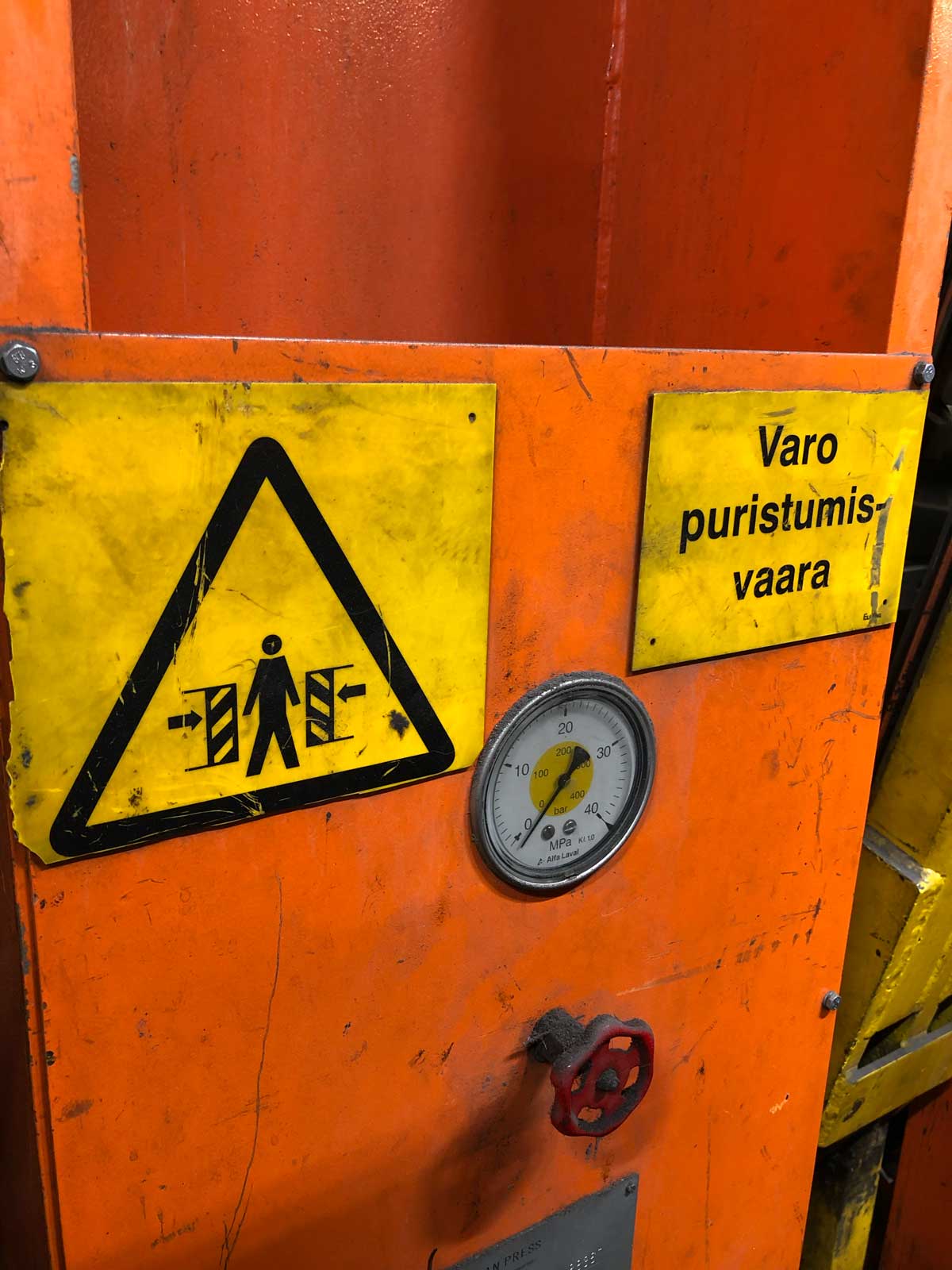 Figure 5. Occupational safety risk of a compressed air system in an industrial environment.
The most frequently asked question is
Can compressed air be used to clean clothes or skin?
No. Cleaning clothes with compressed air is strictly prohibited under occupational safety regulations. Compressed air can cause both serious and minor injuries, such as eye damage, hearing loss and even life-threatening air embolism if it enters the bloodstream through skin wounds. Continuous exposure to noise increases the risk of hearing damage.
In SmartAir's experience, the majority of safety failures in compressed air systems are still related to cleaning with compressed air, either in parts or work clothes, inadequate depressurization, faulty pressure gauges and damaged hoses. These can be prevented with correct working methods and regular inspections.

Compressed air system savings estimate
You will receive a preliminary estimate within 24 hours on weekdays. The estimate is non-binding.